About Round Bottom Flask
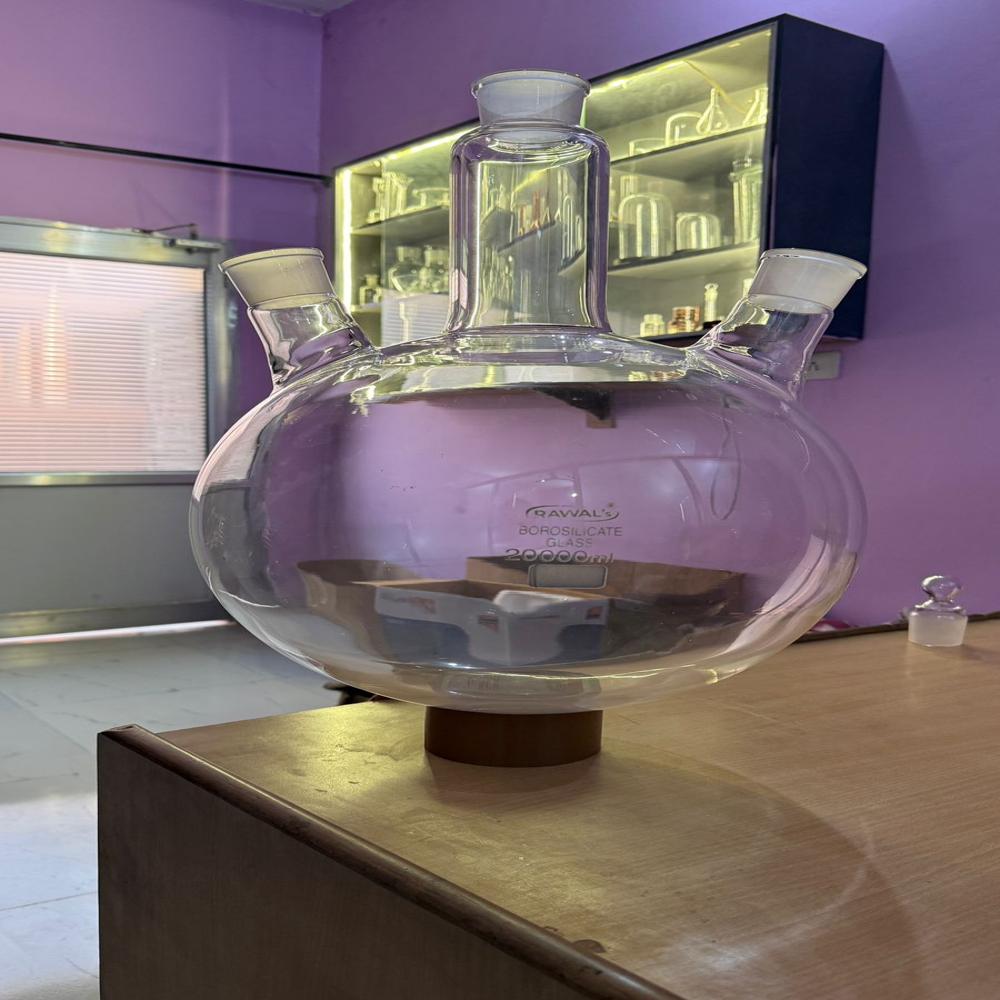
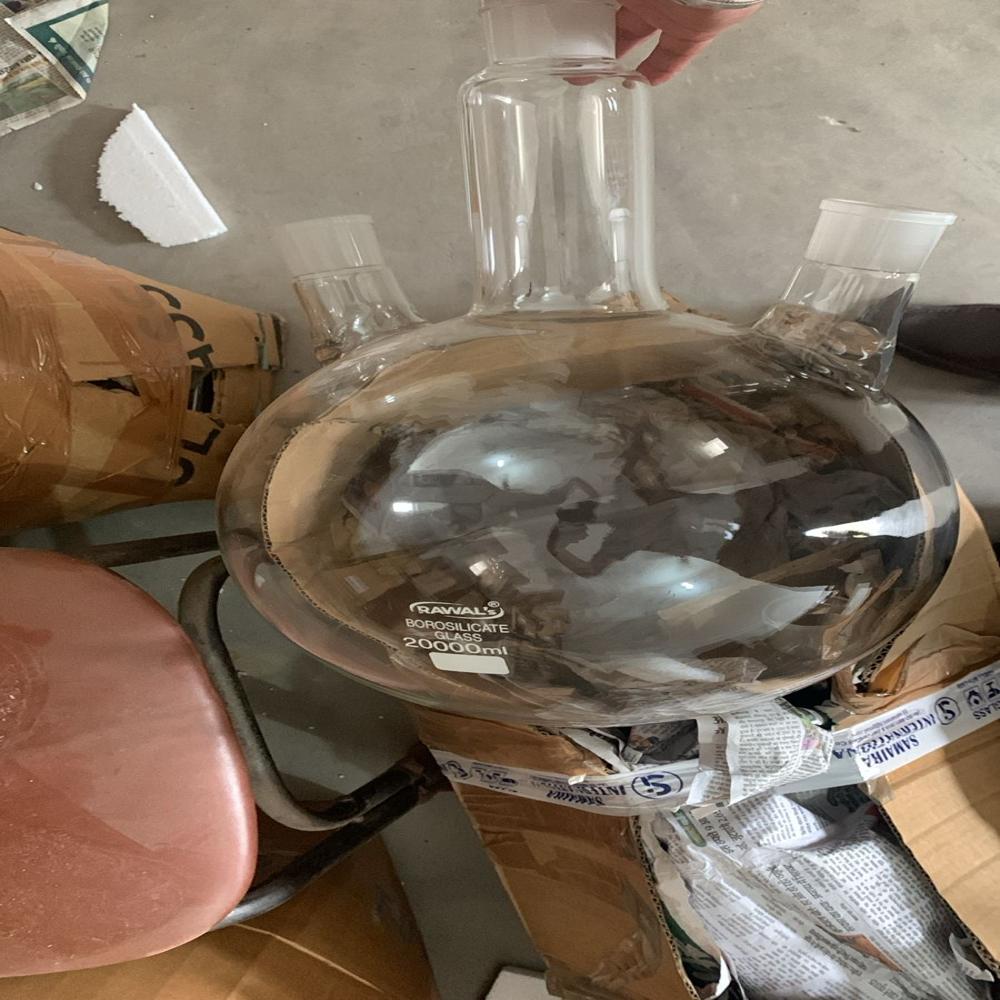
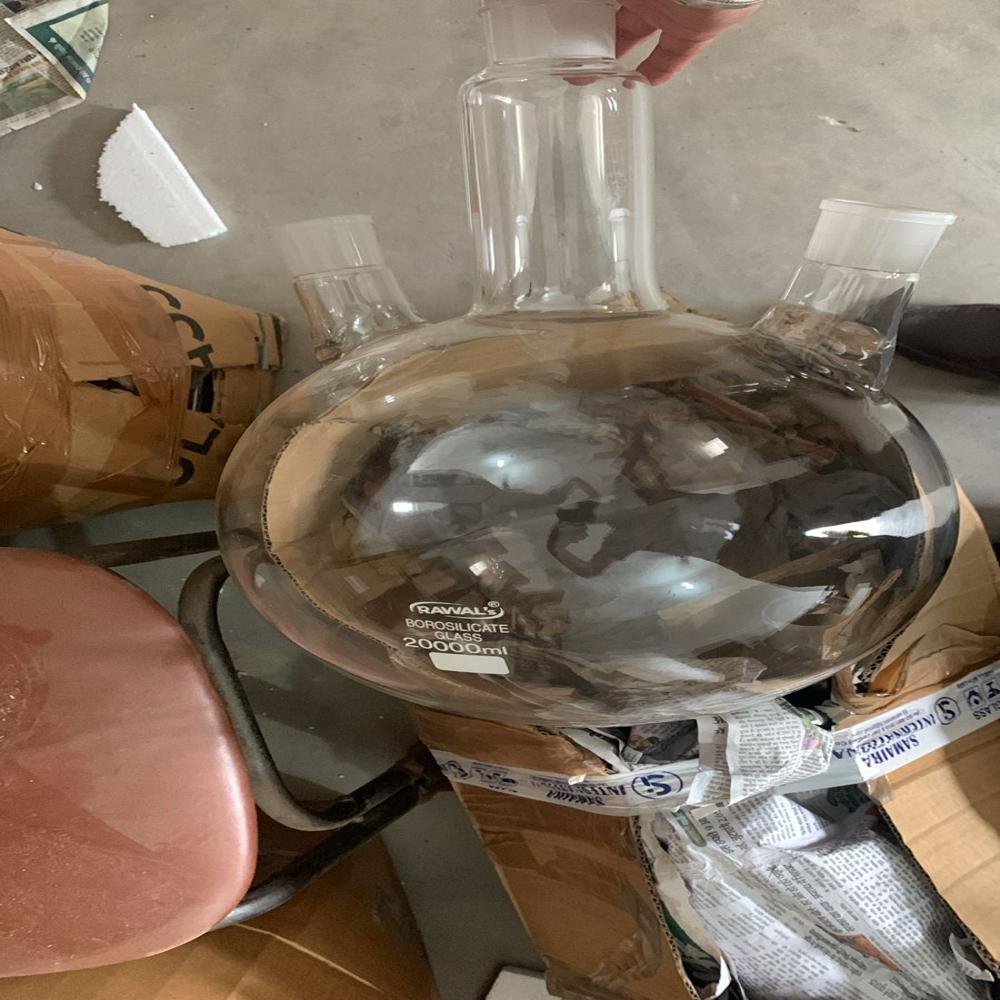
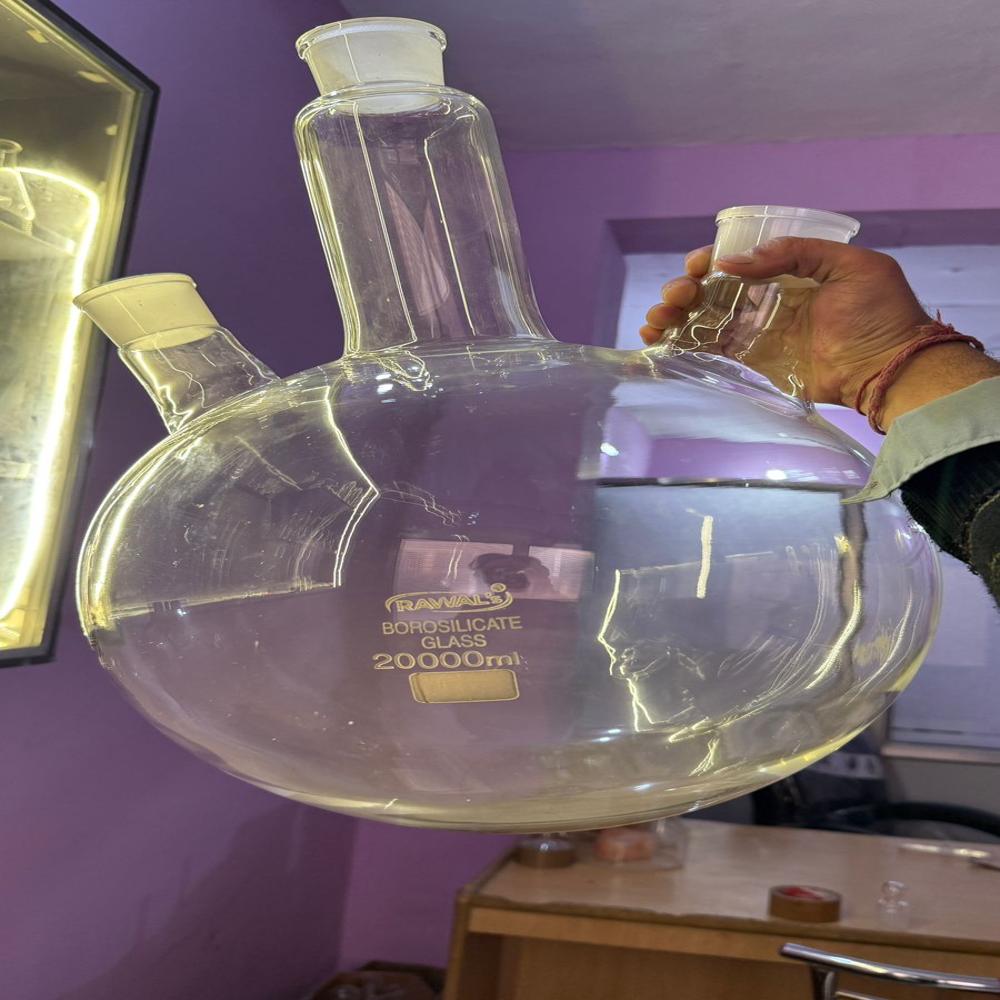
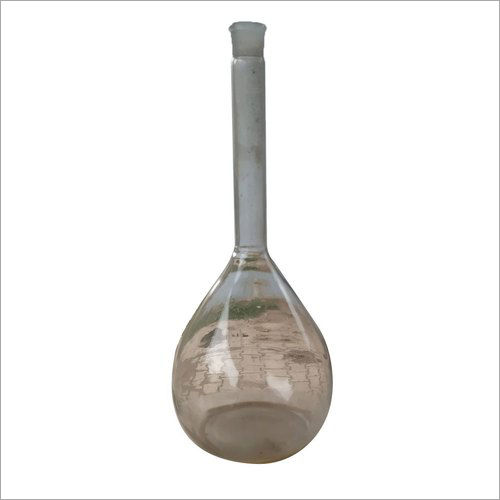
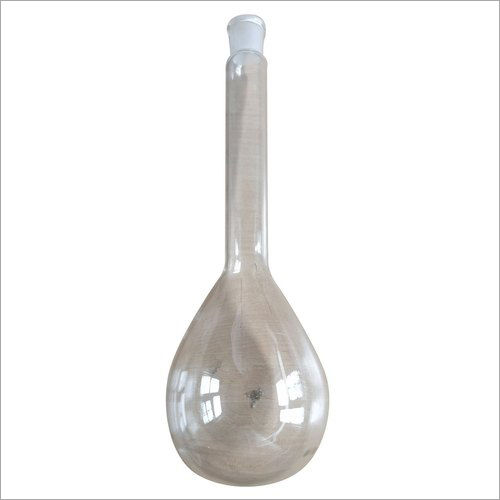
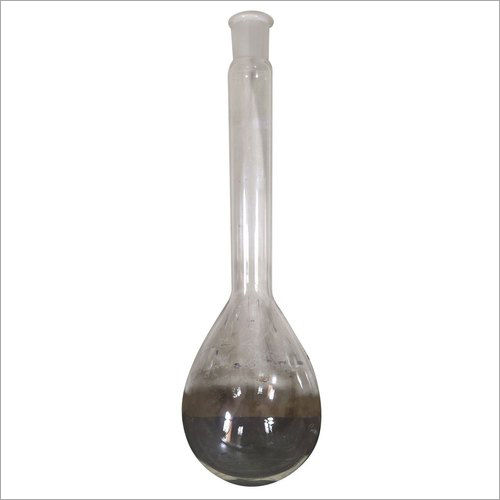
A round-bottom flask is a versatile laboratory glassware used primarily in heating, boiling, or distilling liquids. Its spherical shape ensures uniform heat distribution, preventing uneven pressure build-up. Typically made from borosilicate glass, it withstands thermal shock and high temperatures. The flask features a narrow neck for easy attachment of tubes or other apparatus, enhancing its usability. Available in various sizes and finishes (frosted, smooth), its a crucial tool in chemistry, pharmaceuticals, and research industries. Designed using precision glass-blowing techniques, it offers durability, improved safety, and efficiency in laboratory applications, benefiting various experimental processes.
High-Quality Borosilicate ConstructionBuilt from laboratory grade borosilicate glass (Type 3.3), this round bottom flask guarantees exceptional resistance to acids, alkalis, and solvents. Its robust design withstands direct heating, maintaining integrity even with sudden temperature fluctuationsprovided adequate cooling measures are taken.
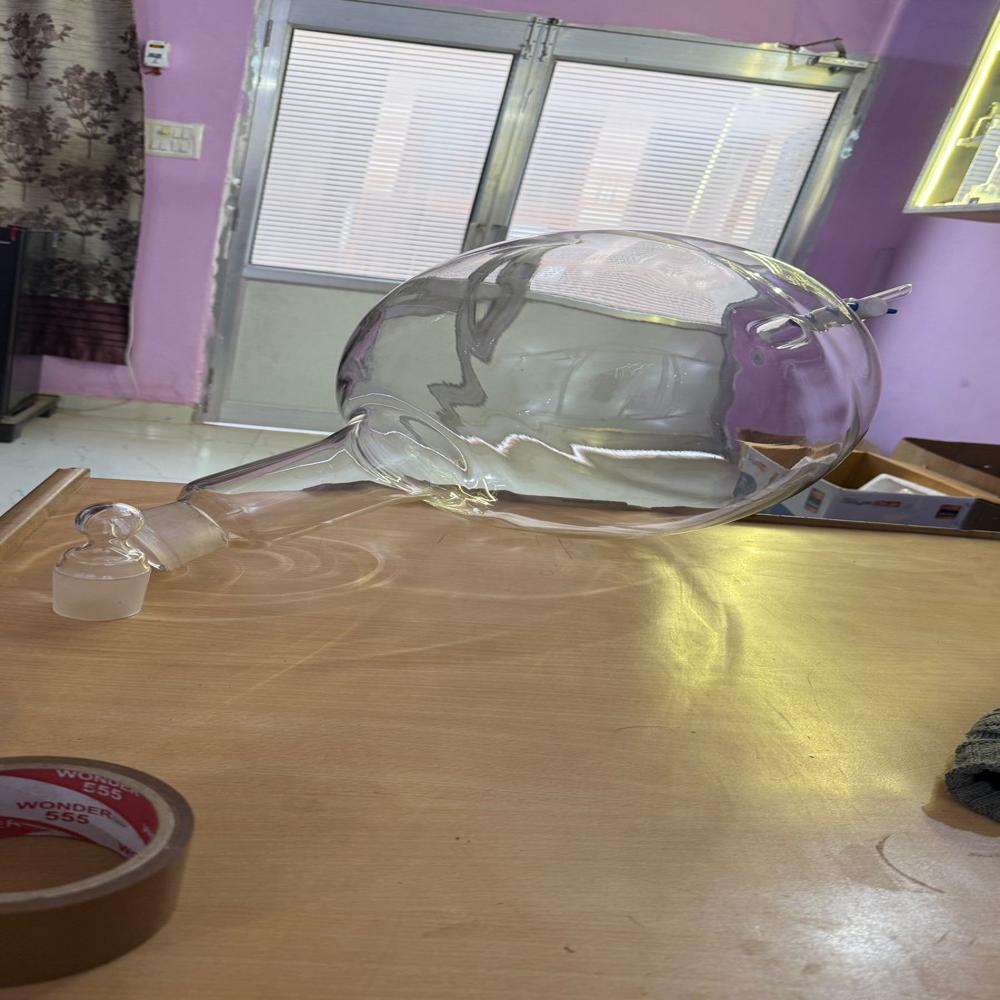
Versatile Single Neck DesignThe single neck, fitted with a standard ground joint (commonly B24/40 or B29/32), ensures compatibility with a wide range of laboratory apparatus. This design supports ease of assembly for rotary evaporators, heating mantles, and other setups, offering personnel flexibility during experimentation.
Accurate Reference and Easy HandlingEach flask comes with clear graduation markings to estimate volume at a glance. The round bottom shape aids in uniform heating, while the durable, seamless surface facilitates easy cleaning and sterilization. Its autoclavable nature supports safe handling and repeated laboratory use.
FAQs of round bottom flask:
Q: How can I use a single neck round bottom flask safely for heating and distillation?
A: Always heat the flask gradually to avoid thermal shock and possible breakage. Place the flask in a heating mantle or clamp compatible with its round bottom. Avoid sudden temperature changeslike placing a hot flask on a cold surfaceand ensure the volume doesnt exceed marked graduations to prevent spills during distillation or boiling.
Q: What types of chemicals can this round bottom flask safely contain?
A: Thanks to its borosilicate glass construction, the flask demonstrates high resistance to acids, alkalis, and most laboratory solvents. This makes it suitable for a wide array of chemical reactions, extractions, and synthesis procedures typically carried out in research and industrial laboratories.
Q: When should the graduation markings be used during experiments?
A: Graduation markings serve as reference points for approximate liquid volumes. Use them to guide pouring or mixing quantities, but note they are not for precise measurements. For exact volumes, it is recommended to use a calibrated measuring cylinder or pipette.
Q: Where is this round bottom flask most beneficial in laboratory setups?
A: It is highly effective in synthesis, distillation, and heating of liquids, especially with rotary evaporators and heating mantles. The flasks round base ensures even heat distribution, making it ideal wherever uniform thermal application and chemical resistance are importantcommon in academic, industrial, and analytical labs.
Q: What process should I follow to sterilize the flask for sensitive applications?
A: The flask is autoclavable, meaning it can undergo standard steam sterilization at high pressure and temperature. Before autoclaving, ensure it is thoroughly cleaned and inspected for any damage. After sterilization, allow the flask to cool down naturally to room temperature before handling.
Q: What are the main benefits of choosing this single neck round bottom flask over other types?
A: This flask offers high thermal and chemical resistance, precise compatibility with standard laboratory equipment due to its ground joint, clear monitoring of contents, and easy maintenance. Its conformity with ASTM E1403 and customizable capacities make it versatile for routine and specialized laboratory procedures.







 Get Latest Price


 Send Inquiry
 Send Inquiry
 Send SMS


