About volumetric or measuring flask
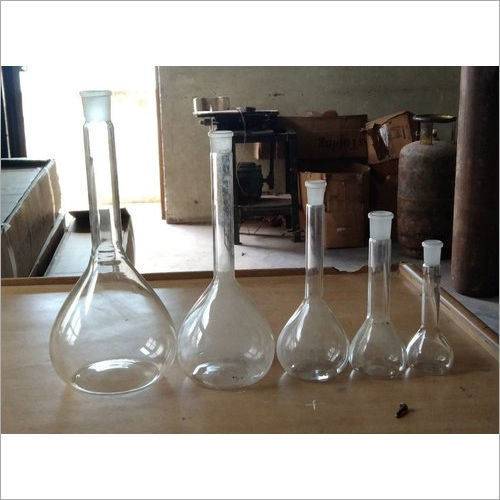
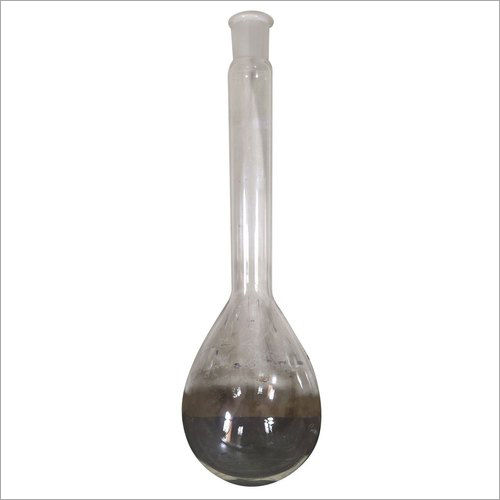
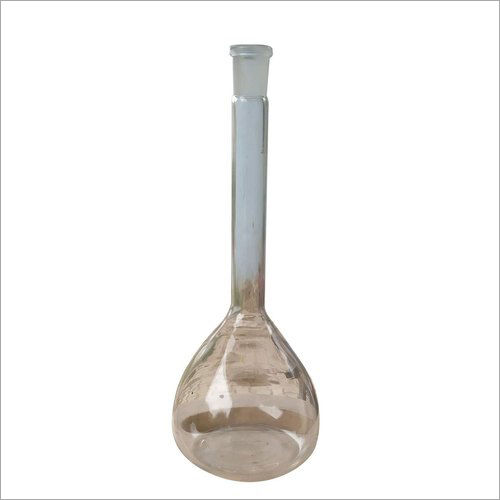
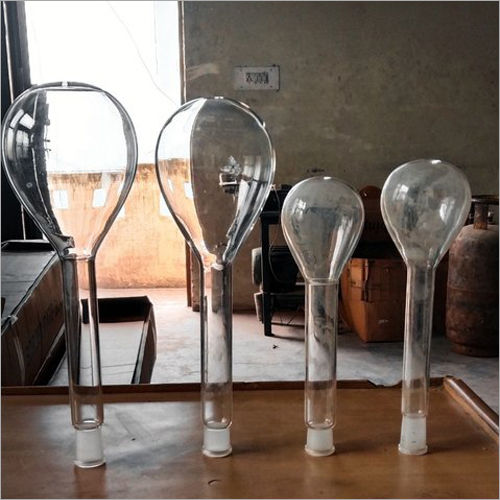
A volumetric flask is a precisely calibrated laboratory instrument used for measuring specific volumes of liquids. Typically crafted from high-quality borosilicate glass, it ensures resistance to temperature changes and chemical corrosion. Its long neck and flat-bottom shape allow for accurate filling to the etched line, providing precise measurements. Available in various sizes, it is often used in chemistry, pharmaceuticals, and environmental labs for creating standard solutions. Manufactured with advanced glass-blowing techniques, the flask offers durability and accuracy. Its consistent design benefits industries by enhancing the reliability and reproducibility of experiments and formulations.
Precision and Quality in Laboratory MeasurementOur volumetric flasks are designed for scientists and laboratory professionals who require reliable, precision solutions for liquid measurements. Manufactured from borosilicate glass for high chemical and thermal resistance, these flasks ensure accurate readings every time. Each flask is calibrated to Class A or B accuracy according to ISO and ASTM standards and features permanent graduation markings for long-term clarity.
Versatile Applications and Robust ConstructionThese flasks are ideal for preparing standard solutions, diluting samples, or conducting analytical titrations. Available with ground glass or plastic stoppers and ranging in size from 50 ml to 2000 ml, they cater to diverse laboratory needs. The narrow neck helps minimize spillage, while the flat bottom provides stability during use. The flasks' surface is smooth to facilitate cleaning and repeated use.
FAQ's of volumetric or measuring flask:
Q: How should a volumetric flask be used to obtain accurate liquid measurements?
A: To ensure accuracy, pour liquid below the graduation mark, then add slowly until the bottom of the meniscus touches the calibration line at eye level. Always use at the specified temperature, as marked, and ensure the flask is clean and free from residue before use.
Q: What materials are the flask and stopper made from and why are they chosen?
A: The flask is made from borosilicate glass, chosen for its high resistance to chemicals, acids, and temperature up to 250C. The stopper can be ground glass or polyethylene to provide an airtight seal while remaining compatible with a variety of substances.
Q: When is it necessary to autoclave the volumetric flask, and is it safe to do so?
A: Autoclaving is recommended for sterilization prior to procedures requiring contamination control. The borosilicate glass construction allows safe autoclaving without damage, but ensure the stopper is removed during the process to prevent pressure build-up.
Q: Where are these measuring flasks typically applied in laboratories?
A: These flasks are used in various laboratory applications, including analytical chemistry, solution preparation, titration, and precise dilution tasks in educational, research, and industrial settings.
Q: What process should be followed for cleaning and reusing these flasks?
A: After each use, rinse the flask thoroughly with appropriate solvents or detergents compatible with borosilicate glass, then allow it to dry completely. Avoid abrasive cleaning tools to preserve graduation markings and surface finish.
Q: What benefits do permanent printing or etching of graduation markings provide?
A: Permanent markings ensure that graduations remain visible and accurate even after extensive cleaning and repeated use, supporting reliability and longevity in laboratory routines.






 Get Latest Price


 Send Inquiry
 Send Inquiry
 Send SMS
 Call Me Free


